Footfall analytics & people counting

Footfall analytics and people counting,
built for decisions.

A people counting system that starts with the metric everyone needs: accurate footfall counts for every entrance.

We then build the rest of the picture on top, adding the two numbers that turn a count into a funnel: how many people walked past, and how many bought.

Capture rate and conversion for every store, every day, through the cameras you already own.
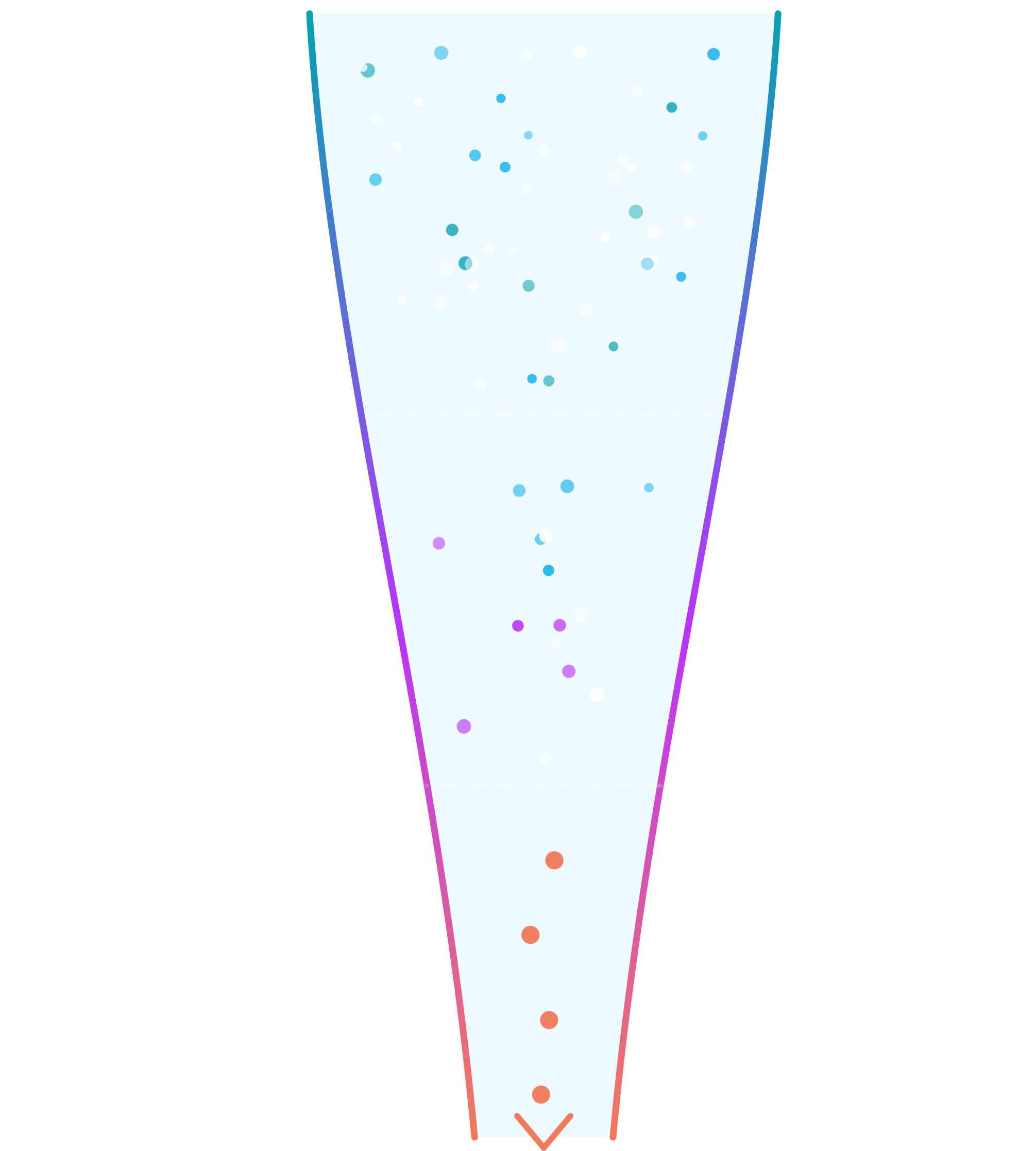
Vertical funnel
The foundation

What a people counting system actually measures


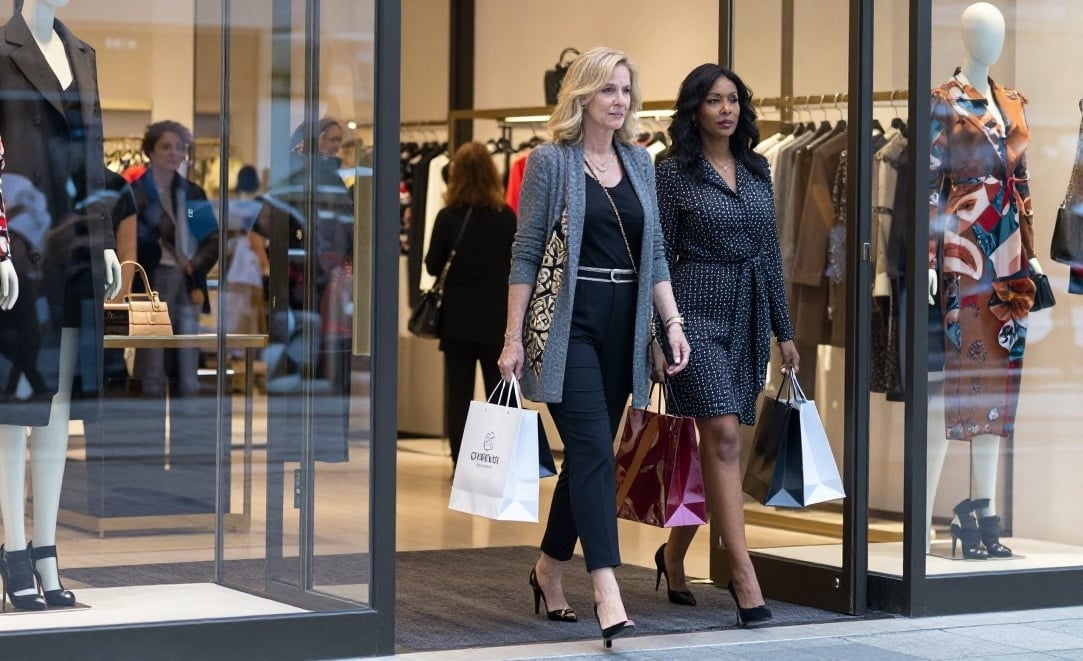
  • Women walking out of shop 3
  • Analyze Footfall
  • Untitled - 21 September 2026 at 13.58.02

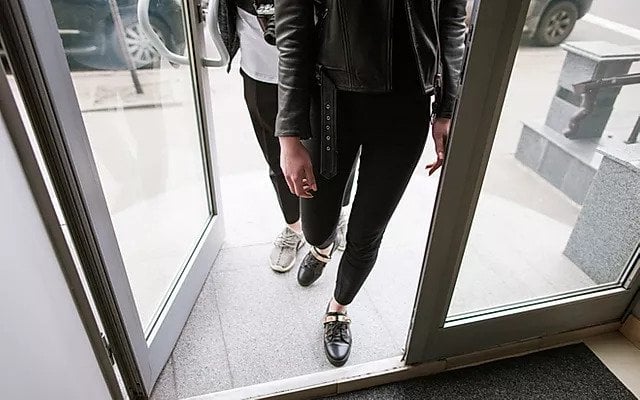
A people counter does one job: it counts the people who enter and leave a space. This tells you how many visitors you had, and when did they arrive. Everything else in retail analytics - conversion rate, capture rate, sales per visitor, staffing to demand - divides by or builds on that number. Which is why the count has to be right.

Glimpse counts using your existing CCTV cameras with virtual footfall lines drawn across each entrance in the camera view. Every crossing is logged as an entry or an exit; the same person crossing twice - stepping out for a phone call, holding the door - is de-duplicated, so the count is visitors, not door-openings. Any number of lines can be created and aggregated, so a store with four doors reports one footfall figure, and each door can still be seen on its own. Counts are recorded at minute-level resolution and rolled up to 15 minutes, hour, day, week and month.

Lines are tagged by what they measure - footfall at the perimeter, passer-by outside the store, and flow for internal movement. Counts are then organised in a hierarchy, tagged by region, store type, location, entrance or zone. That is what makes the same count useful to a board (estate total, like-for-like), a regional manager (this format against that one) and a store manager (this door, this hour).

Capture and conversion rate

The footfall count, and the two extra numbers that make it a funnel

Footfall tells you what happened at the entrance. Passer by counts and transactions tell you what happened either side of it.

Combine these and we get capture and conversion, the two metrics a retailer needs to evaluate performance.


Footfall counting

Accurate visitor counts for every entrance, with repeat crossings de-duplicated. Validated against manual counts before go-live; 97% average accuracy. The number every other metric is built on.

Which locations earn their keep?

Passer-by counting

Counts of the people who walk past but don't come in. This is your available market, and the start of the conversion funnel. From a camera covering the frontage, or a Glimpse Sensor where there isn't one.

How much potential demand walks past?

Capture rate

Footfall as a share of passers-by. The only honest measure of how well the storefront works, because it separates "the street got busier" from "more people chose to come in".

Is the storefront doing its job?

Conversion rate

Transactions from your POS divided by footfall, giving you a full funnel from passer-by to purchase, for every store, every hour, comparable across the estate.

How many visitors turn into customers?
Common questions

Footfall analytics, answered


How accurate is Glimpse people counting?

We validate every deployment against manual counts before go-live, achieving 97% average accuracy. Virtual footfall lines de-duplicate repeat crossings so your data reflects genuine visits.

Do we need new hardware in our stores?

Usually not. Glimpse processes your existing CCTV at the edge to deliver footfall counting and behavioural analytics. If a key area isn't covered, our proprietary people counting sensors fill the gap or additional cameras can be installed.

Is it GDPR compliant?

Yes. Glimpse is privacy-safe by design: no video is stored, no personal data is retained, and there is no facial recognition. We are UK GDPR compliant, ISO 27001 and Cyber Essentials certified.

People counter, footfall counter, visitor counter - are they the same thing?
Broadly, yes: all three count entries and exits. The differences are in accuracy and in what else the system can measure. Glimpse's counting is validated to 97% average accuracy, and the same cameras also measure dwell, flow, queues and heatmaps — see Behavioural analytics.
How do I calculate the ROI of increasing footfall?
Use our footfall ROI calculator - this lets you model changes to your store's capture rate and conversion rate to see the potential sales uplift.
Evidence

Accuracy you can rely on


97%average counting accuracy, validated against manual counts before every go-live
1,300CCTV cameras deployed for a single leading retail estate
22%increase in product and concession engagement at a luxury department store
£61kaverage monthly sales increase following deployment

"The validation programme gave us confidence that we could trust the customer traffic data supporting our operational and commercial reporting. The improvements delivered the level of accuracy we needed to make decisions with confidence."

operations team lead - international retailerOperations team — International retailer
Read the case study →
UK GDPR compliantISO 27001Cyber Essentials certifiedNo facial recognition Privacy-safe by design: no video stored, no personal data retained.
Next: behavioural analytics

Footfall and transaction counts tell you what happened.

Behaviour tells you why.


Footfall and transactions are the two ends of every visit: how many came in, how many bought. Between those two numbers is the whole visit - where people went, what they stopped at, how long they queued, and what they walked straight past.

That's where the outcome is decided, and it's what the same cameras can measure next.
Next: Behavioural analytics →

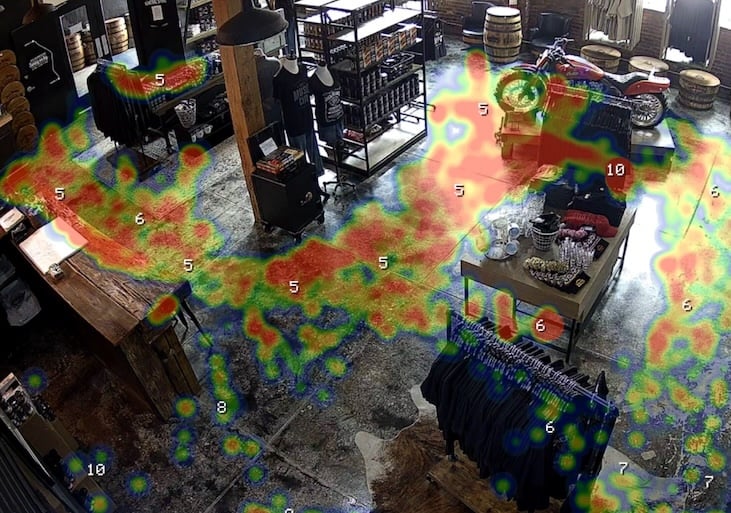
A shop floor seen from a CCTV camera, overlaid with a Glimpse dwell heatmap: red where shoppers stop longest, blue where they pass straight through

Ready to see what your spaces could be doing?

A discovery session is a structured conversation about your estate, your challenges and your objectives, and an honest view of the performance opportunity.

No obligation. No hard sell. Just a clearer view of what's possible.